
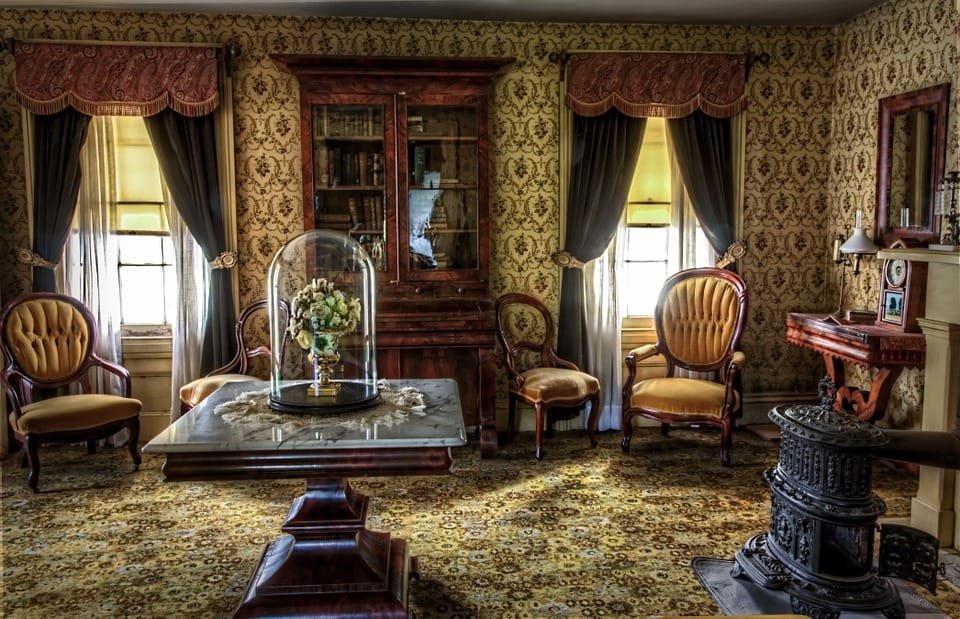
Winter is a testing season for antique furniture. Central heating dries the air indoors, and wood that has already lasted a century or more can react to the change faster than you might expect. A little attention between December and March goes a long way towards keeping a favourite chest, table or chair in good shape for the years to come.
Why Dry Air Is a Problem
Wood is a natural material that takes in and gives off moisture depending on the air around it. When the air gets very dry, the timber shrinks slightly. Solid panels can split, joints can loosen and veneers may lift where the old glue lets go. Most genuine antiques were made with solid timber and traditional animal glue, which makes them more sensitive to these swings than modern furniture.
The aim is steady conditions rather than perfect ones. A cheap hygrometer will tell you how dry a room really gets, and a humidifier or even a few bowls of water near the heat source can soften the worst of it. Sudden changes do more harm than a slightly dry but stable room.
Placement Matters
Keep antique pieces away from radiators, wood burners, open fires and heating vents. Low winter sun through a window can also fade and dry a finish, so a sideboard that sits in a bright spot all day may need a curtain drawn during the brightest hours. Furniture placed against a cold outside wall benefits from a small gap behind it so air can move freely.
Gentle Cleaning and Polishing
Dust with a soft, dry cloth and avoid silicone sprays and all-purpose cleaners, which can build up or cloud an old finish. A good paste wax applied sparingly a couple of times a year is usually enough. The festive season brings its own risks: hot drinks, candle wax and wet glasses. Use coasters and mats, and if candle wax drips onto a surface, let it harden before lifting it carefully with a plastic card. Our guide to the antique dresser table has more ideas on keeping surfaces looking their best.
Watch for Early Warning Signs
Once a month, take a quick look over your pieces. Drawers that suddenly stick or rattle, hairline cracks in a tabletop, veneer that sounds hollow when tapped and chairs that have started to wobble are all signs that the wood is reacting to the conditions. Avoid leaning back on a loose chair, as this is how many old joints break. Our post on antique chairs explains why these pieces deserve a little extra care.
If a piece of veneer or moulding comes loose, keep it safe rather than throwing it away, and resist the urge to fix it with modern glue. A qualified furniture restorer can reattach it in a way that can be undone later, which protects both the look and the value of the piece.
Conclusion
Caring for antique furniture in winter is mostly about steady humidity, sensible placement and gentle cleaning. Spend a few minutes each month checking your favourite pieces and they will come through the cold season looking as good as they did in autumn.